Curiosity, specificity, and nuance are three vitally important traits of those working in Life Sciences. It’s what leads to breakthrough discoveries, and what helps researchers understand subtle variations in results and the context-dependent outcomes they observe in their work. But how does that affect how science marketers design, plan for and follow-up with trade shows leads in our sector?
Trade shows are a highly-debated marketing tactic. They have high capital outlay, and there’s a wealth of logistics, expense, and planning that go into executing an event, so the need for leadership to see ROI (return on investment) from events is ever present.
But if events are so expensive, then why do we often treat managing leads from trade shows as little more than a business card gathering excercise?
Below we look at some industry-specific stats around trade shows to understand where the biggest problems hide, then delve into possible strategies for better trade show lead nurturing.
Why precision matters: The ROI monster and the scientific standard
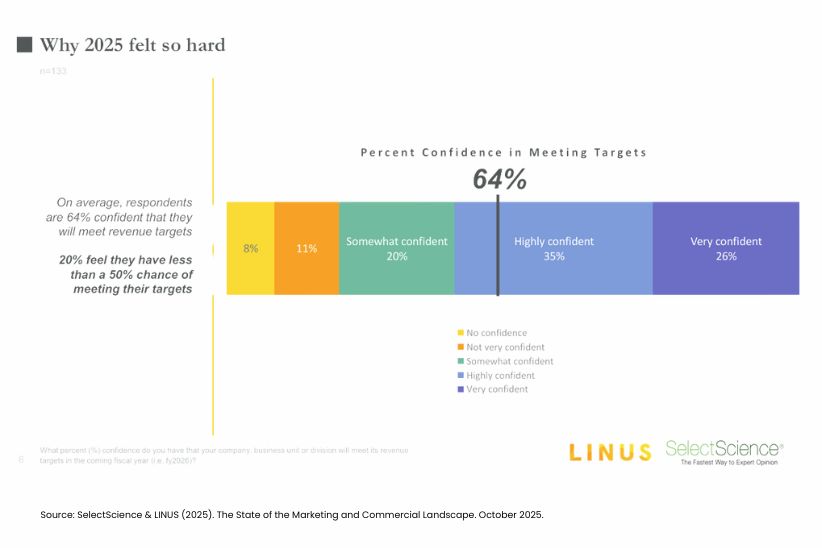
In a recent webinar with SelectScience and Linus in October 2025, market research conducted with both executives and researchers on the state of marketing and the commercial landscape found that, on average, only 64% of respondents were confident of hitting their targets. Not only that, but 20% of those surveyed felt that they had a less than 50% chance of hitting their targets.
With statistics like that, why would you not maximise every possible avenue for driving more revenue through trusted relationships with your audience, a lot of which start with events and trade shows?
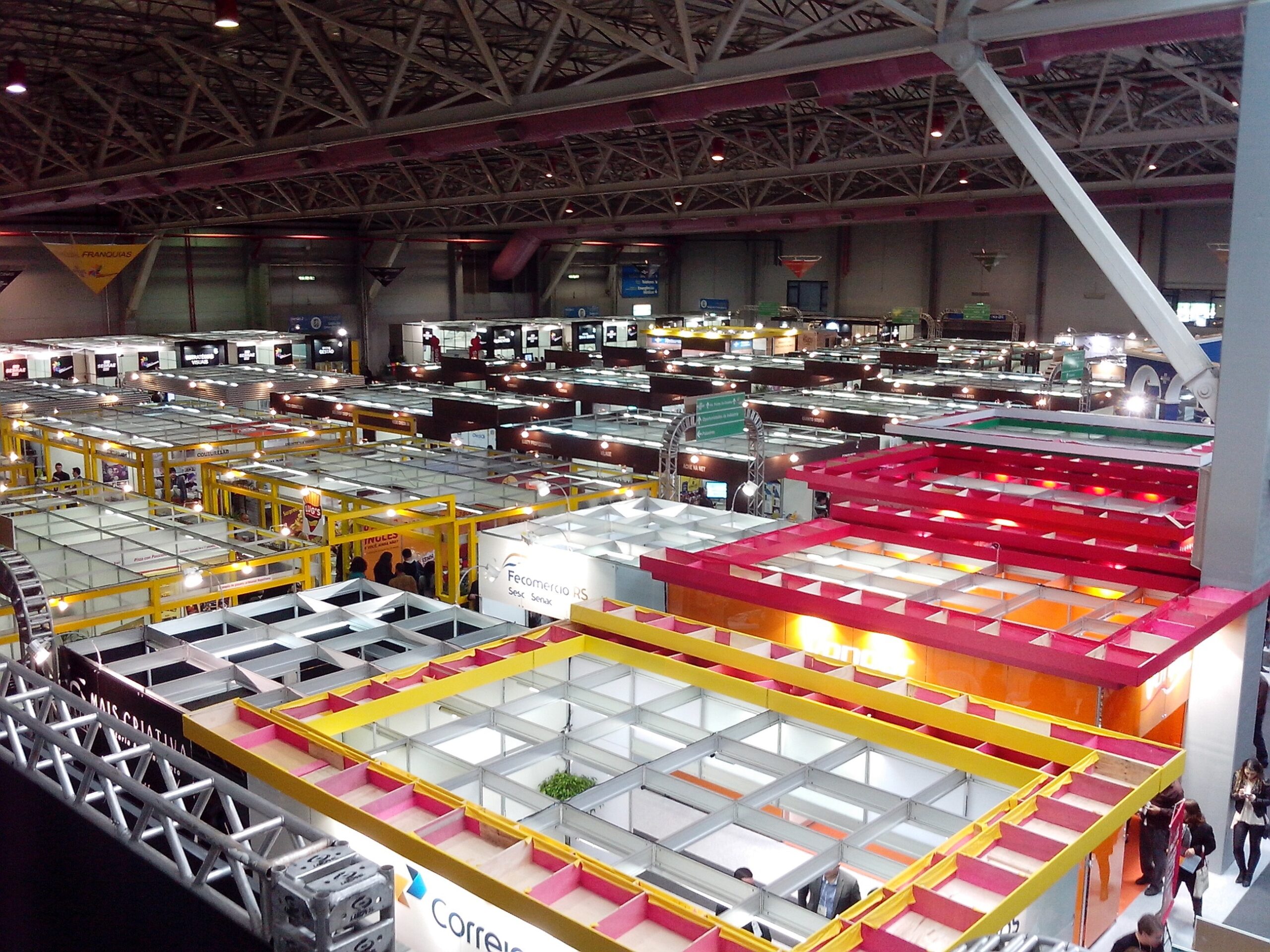
As a marketing tool, trade shows are a place to not only show off your brand but are also perfect stages for launching and demonstrating new technologies, sharing ideas, and capturing vital information on the market: what your competitors are doing and what your customers are saying. In the same report previously referenced, it was shown that trade shows (outside of peer-reviewed journals, word of mouth, webinars, vendor websites, etc.) are still a well-trusted source of information for scientiss who were answering the question: ‘Where do you go for information/resources about laboratory products and technology?’
In summary, trade shows are a known and trusted way for scientists to evaluate new technologies, share their work with peers and to stay informed and well-networked. For marketers they are an effective way to manage brand visibility, showcase innovations and conduct product demonstrations.
But who owns trade show leads after the event ?
Where do they end up in reality? More often than not, the highly qualified leads are handed over to the sales teams, sometimes via badge scans, sometimes scribbled down, and the rest are added to generic follow-up marketing campaigns.
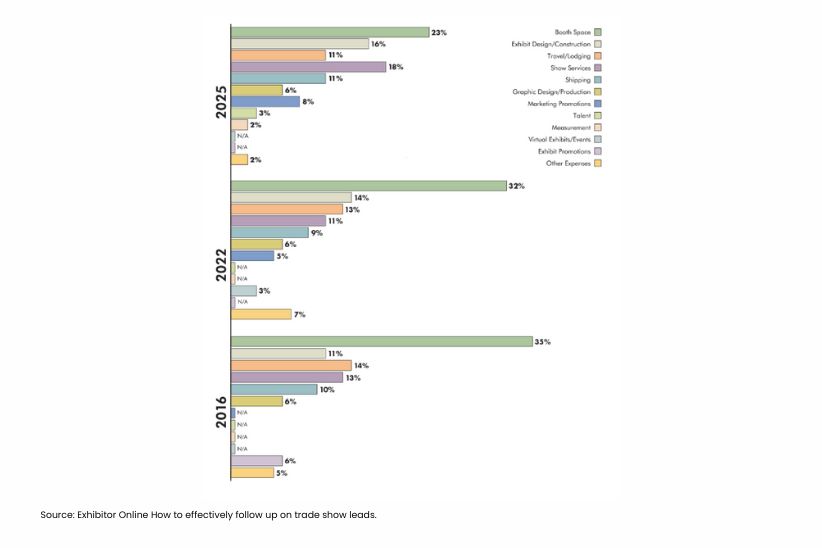
This is a very common scenario, not just in the Life Sciences industry. Exhibitor Online surveyed over 200 event marketers [3] on how their budgets are currently being allocated. Alarmingly, when you look at the statistics on lead retrieval (as part of a wider catch-all ‘other expenses’ category), it was allocated at only 2% of the spend.
So imagine a scenario where your ‘star buyer’ profile person walks on to the stand; they are a Principal Investigator (PI) for a research group that’s just been awarded millions in funding, and they have the discretion to spend as they see fit. They’re launching a new company and building out their new lab. They are on the stand talking to your business development manager and an application scientist about a cell line challenge that’s critical to the success of their optimisation and scale-up process.
The conversation flows but after it, the only context captured is the PI’s name and email address from a basic conference scanner which has limited functionality. The only follow-up this PI receives post-event is a short ‘Thank you for visiting the booth’ email. Just like that, you’ve lost the context, perhaps even the lead and the personal experience that this individual had on the stand is wiped clean once the generic message lands in their inbox. They go from having a personalised, face-to-face experience to a bland message, leaving an impression that your company simply doesn’t care enough.
The data reveals a clear gap between the importance leaders place on personalisation and their investment in the tools needed to deliver it. EventOnline survey findings suggest companies are underinvesting in lead capture technology, limiting their ability to personalise post-show follow-up. Yet findings from SelectScience [1] and Twilio’s Segment 2024 report [2] indicate that leaders regard personalisation as vital to business success.
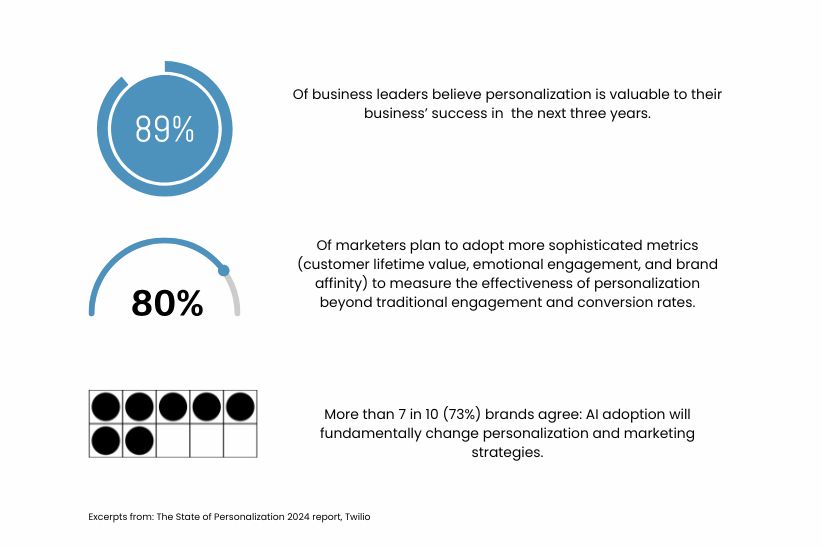
Without doubt, the high investment costs of any trade show, does mean that teams should do what they can to maximise the ROI from events, and one of the ways to do this is to build a system for nurturing your leads with clear ownership and cadence.
So how do you build your strategy for nurturing your Life Sciences trade show leads?
Recover more ROI from your events all year round
See howThe pre-show strategy: Warming up the leads
The work starts long before the exhibition hall opens. Logistics, travel, shipping, stand design, internal coordination and team briefings take weeks or months of preparation. That represents a substantial investment in time, budget and attention. Your commercial planning deserves the same care.
Start by identifying who you want to meet and why. Review your CRM alongside your event marketing list and any available delegate information. Which roles most often progress to sales-qualified leads (SQLs)? Who influences technical evaluations, and who makes purchasing decisions? Which prospects from previous shows still have relevant, unresolved needs?
Work with sales to answer these questions using current opportunities and won deals. Compare the findings with your ideal customer profiles (ICPs), then turn them into a practical stand briefing: priority accounts and roles, likely challenges, useful qualification questions and the details your team needs to capture.
Use your website, social channels and relevant advertising to make your attendance visible. Give priority prospects a specific reason to visit. If you’re demonstrating a technology for a particular workflow, invite the people working on that problem. Offer a technical discussion with an application scientist, a booked demonstration, an exclusive content preview or resources that build on a conference session.
Ask sales to arrange these meetings before the show. Attendees have packed schedules, competing stands to visit and understandable reluctance to exchange a badge scan for a stream of emails. A relevant invitation makes it easier for them to decide that your stand deserves their time.
Those booked conversations can also attract interest from others in the exhibition hall. Capture each visitor’s application, challenge, product interest and agreed next step, and you leave with the context needed for relevant follow-up.

It’s important to invest time in both selecting the right technology and the best approach for lead capture. The key to success lies in the detail, and that is especially true for data capture. In previous blogs we’ve discussed the importance for specificity in follow-up and nurturing, and the same applies here. To effectively nurture leads after a trade show, you need the right information from attendees. This involves training your staff who’re manning the stand on relevant data capture technology. In practice, this means briefing them to record detail such as which instrument prospects interacted with, which brochures they picked up, and what techniques, technologies, or areas they are interested in/work on e.g. proteomics, microscopy, upstream vector manufacture, etc. Focus on capturing details valuable to your business and marketing processes, and you’ll eventually benefit from better personalisation and higher closed-won rates.
Develop nurture paths for different stakeholders within your ICP (e.g. economic, technical, champion and user buyer types) before the trade show, and after the event, follow up with context. This might seem obvious, but a critical part of pre-event marketing is creating nurture paths, collating application notes, papers, technical specs, related webinars, and other materials that will be used in the post-event follow-up. Additionally, ensure you reflect the scientific context and buying cycle as much as possible, segmenting by role and decision-making power, scientific intent, the data you expect to collect from the badge scan, and the level of interaction during the show.
Generic drip campaigns may seem like a quick way to follow-up with the ‘not so hot’ leads, but they can also be a quick way to loose ROI. While some people attending the event might be closer to purchasing and seeking a product demo, there will also be those who are much earlier in their journey. Like all scientists, your prospects will want to gather evidence and data before taking action. Similarly, some might be interested in a demo but will have absolutely no decision-making power in buying an instrument- just a curious scientific mind.
There’s also a whole wealth of other things to do on the day, but that’s covered in our blog for getting the best ROI from events.
Post-show: Action in the first 72 hours
The event is over, sales are on their way back, and you and the team are in the office working on the next steps.
First, sales should follow up with the highest-potential leads within the first few days after the event. These are the contacts who visited your stand or, if available from the organizers, any badge scans or other data captures that include a clear call to action and align with the right ICP. Route these leads to sales as quickly as possible.
The follow-up doesn’t always need to be a qualification call, it can be a personalized follow-up aimed at each specific individual. Perhaps they wanted more technical information, so arranging a meeting with a Field Application Scientist would work well. Maybe they require more technical documentation, so send them relevant application notes and ensure they have any supporting materials. It could even be a gift from winning a competition on the stand. For sales, team members should make sure they have the appropriate content and follow-up resources to support their efforts.
Following up in the first few days is crucial, although we might say that…marketing and executives want to see quick results; but that’s not the main motivation here. We can look to a psychologist Hermann Ebbinghaus for evidence; his research on the ‘forgetting curve’ shows that 50% of new information is forgotten within the first hour. Within 24 hours, that increases to 70-80%, so it is understandable to forget names occasionally but more importantly, your prospect might not even remember you by the end of the week. Research from Intelemark [4] reveals that leads contacted within 24-48 hours are 60% more likely to convert. All of this underscores how critical timely follow up is.
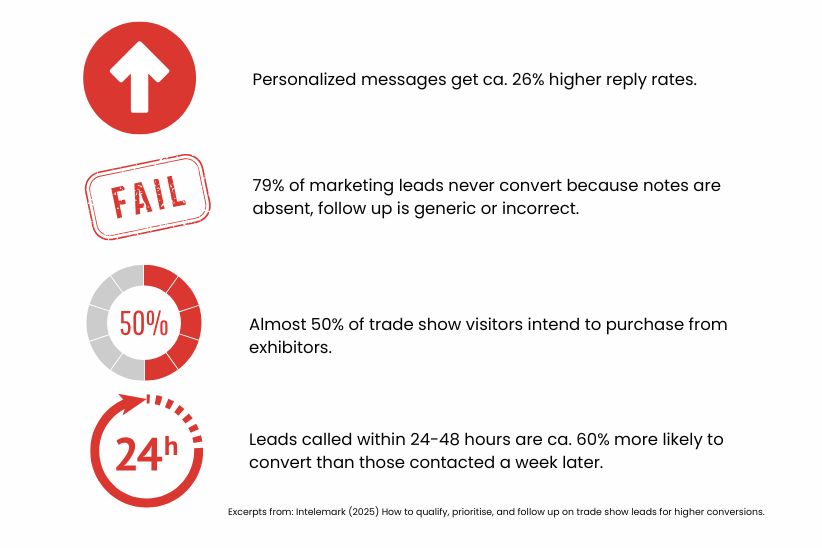
Next come the slightly colder leads. Review the rest of the list, identify your ICPs from earlier, and filter them based on the information you’ve collected. This is where detailed prospect or delegate information details are vital. If you can gather more than just their name, job title, and contact information details such as their area of work, seniority, or technologies of interest will help with personalised outreach and setting them on the correct nurture pathway. For example, someone involved in AAV development might receive invites to webinars on the topic, papers discussing technology use or application notes. Likewise, a scientist focused on gene editing might receive information about CRISPR technologies, talks, webinars, and more. This approach prevents them from going cold completely.
Now we come to talk about the event content. If you’ve managed to obtain assets from the event such as talks delivered, videos of demos, summaries of Q&A sessions, or other resources; utilise these both broadly on your social media, emails, and other outreach efforts from a generalised perspective but also in follow-up communications with those specific ICPs from the events. Ensure that your commercial team/sales folk have access to these resources and incorporate them into drip campaigns, segmenting the content by relevance.
Execution and optimisation: omnichannel and analysis
Make sure that all channels are being utilised by sales and marketing. Omnichannel distribution is essential in Life Sciences. If you’ve ever had the privilege of cold calling scientists or researchers, you’ll find that they are unsurprisingly in the lab for much of their working day. Similarly, you might be emailing the same lead for months and finally connect with them on LinkedIn and receiving a message back within hours. There is no single path to connection, so ensure that sales use different channels, and the same applies to marketing. Ensure websites are current, resource links are up, LinkedIn (and any other social) posts are written and scheduled.
You can hear the cacophony of sales staff criticising sales admin and metrics, where they have little time, and where specificity comes into play again. Segmenting data and focusing on ICPs will give sales the time to do proper follow-up with the right people rather than just analysing. The focus remains on the bottom line, and ROI is often measured in sales-won, so anything that helps avoid the trap of only targeting low-hanging fruit should be implemented.
Next, analyse the data. Monitoring the performance of your nurture paths, such as conversions to SQL or sales, email open rates, and which resources are downloaded and by whom, will show you what’s working and where to optimise. This insight will help you to continuously improve your trade show follow-up, assess the overall success of your events, and refine your ongoing lead-nurturing strategy.
This work needs an owner and protected time. Smaller teams can struggle with even modest lead volumes when everyone is juggling several roles. Larger organisations may have more capacity, but fragmented systems and unclear responsibilities can still leave leads unattended. Decide whether you can sustain the work in-house or need a specialist life sciences agency to support it.
A sound event strategy can unravel when follow-up becomes another task squeezed into an already full workload. Plan the people, processes and resources for post-show nurturing with the same care you give the stand itself.
Ultimately, effective lead nurturing is a continuous experiment. By applying the scientific method of data analysis, segmentation, and dedicated resources you can turn trade show investment from a costly guess into a predictable engine for Life Science sales. Stop treating trade show delegates like business cards and start treating them like the high-value scientific opportunities they are.
Let’s talk about building a nurture program that finally matches your sophisticated science.
Recover more ROI from your events all year round
See howReferences
- SelectScience & LINUS (2025). The State of the Marketing and Commercial Landscape. October 2025.
- Twilio Segment (2024). State of Personalization Report 2024.
[https://www.twilio.com/en-us/resource-center/download/state-of-personalization-report] - Exhibitor Online How to effectively follow up on trade show leads.
[https://www.exhibitoronline.com/topics/article.asp?ID=3680] - Intelemark (2025) How to qualify, prioritise, and follow up on trade show leads for higher conversions.[https://www.intelemark.com/blog/how-to-qualify-prioritize-and-follow-up-trade-show-leads-for-higher-conversions/]